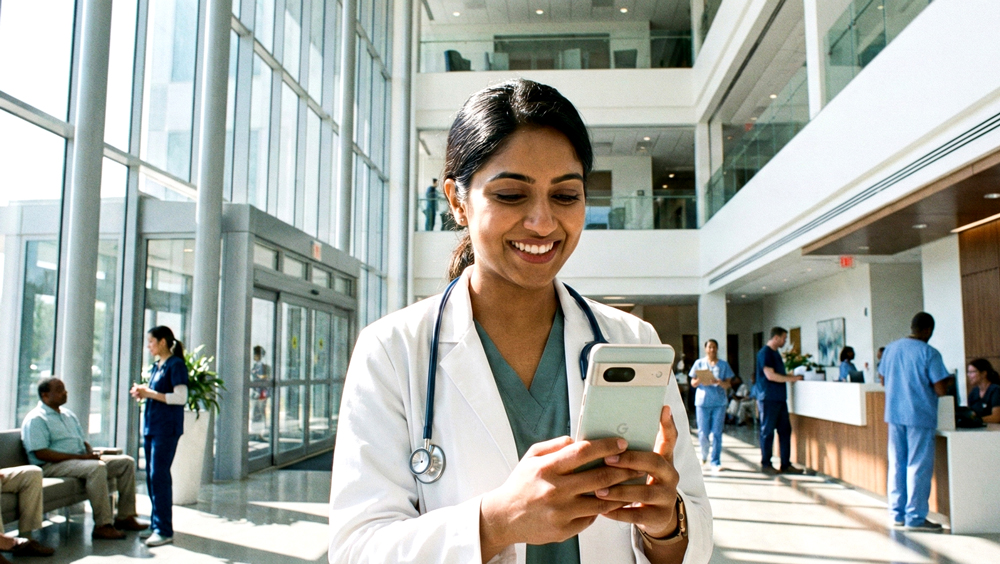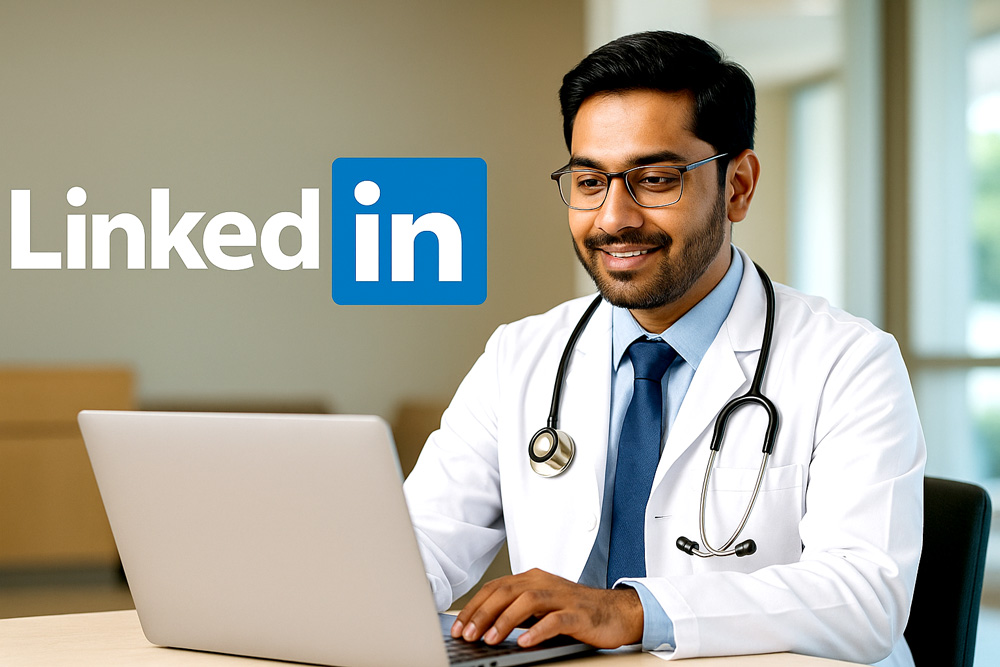
In today’s rapidly evolving healthcare landscape, medical professionals are no longer confined to clinics, hospitals, and research institutions. The digital age has transformed how doctors, nurses, researchers, and healthcare administrators connect, learn, and grow professionally. Among all digital platforms, LinkedIn has emerged as a powerful tool for the medical community, offering opportunities for professional networking, academic collaboration, career advancement, and patient education. It is no longer just a digital résumé but a dynamic ecosystem that can shape the future of healthcare engagement.
The Power of Professional Networking
Networking is a cornerstone of success in medicine, whether it is for referrals, collaborations, or continuous learning. LinkedIn allows medical professionals to expand their networks far beyond geographical boundaries. A physician in Mumbai can connect with a cardiologist in London, exchange insights with a researcher in Boston, or collaborate with a startup in Bengaluru. This global connectivity promotes cross-disciplinary innovation, faster adoption of best practices, and exposure to emerging healthcare trends.
LinkedIn’s algorithm also helps professionals connect with like-minded peers by suggesting relevant groups and connections. By joining healthcare-focused communities, such as “Global Health,” “Medical Innovators,” or “Digital Health Professionals,” one can engage in discussions, share updates, and participate in conversations that enhance professional credibility and visibility.
Personal Branding in Healthcare
In the past, a doctor’s reputation relied mainly on word-of-mouth referrals and institutional affiliations. Today, a strong digital presence on LinkedIn can significantly strengthen that reputation. Creating an authentic and well-crafted profile helps establish credibility. A professional profile photo, an engaging headline that reflects one’s expertise, and a clear summary outlining clinical or research interests can make a strong first impression.
Regular posting of professional achievements, published research, case studies, or participation in conferences also enhances visibility. Even simple posts such as sharing a medical article with thoughtful commentary demonstrate knowledge and engagement. Over time, this helps build a personal brand rooted in expertise and trust—an essential quality in the healthcare profession.
Career Advancement and Opportunities
LinkedIn has become a crucial career-building platform for medical professionals at all levels. For students and early-career doctors, it provides exposure to mentorship, residency programs, and global opportunities. Recruiters and healthcare organizations increasingly use LinkedIn to find suitable candidates for clinical, administrative, and research roles. Maintaining a well-optimized profile can open doors to new career paths that may not appear on traditional job portals.
Moreover, professionals looking to transition into non-clinical roles—such as healthcare management, medical writing, consulting, or digital health startups—find LinkedIn especially useful. Following industry leaders and companies, attending virtual events, and networking with professionals from adjacent fields can provide insights into evolving career options within healthcare.
Staying Informed with Industry Trends
Healthcare is one of the fastest-changing fields in the world. From new clinical guidelines and technologies to health policies and innovations, staying updated is vital. LinkedIn’s content ecosystem, which includes posts, newsletters, and webinars, offers medical professionals easy access to reliable, peer-reviewed information and expert commentary.
By following organizations like the World Health Organization (WHO), Indian Council of Medical Research (ICMR), or leading medical journals, professionals can stay current with the latest advancements. LinkedIn also encourages thought leadership by allowing professionals to write and publish their own articles, sharing their perspectives on emerging healthcare issues and innovations.
Collaboration and Research Opportunities
LinkedIn has evolved into a platform that fosters academic and clinical collaboration. Researchers and academicians use it to connect with peers across institutions, discuss ongoing studies, and even seek collaborators for multi-centre trials. It’s an excellent medium for disseminating research findings to a broader professional audience, thereby increasing visibility and citations.
In addition, medical startups, health tech innovators, and investors often look for professionals who can contribute expertise or clinical validation to their projects. By maintaining an active and credible presence, clinicians can find opportunities to collaborate in areas such as artificial intelligence in diagnostics, telemedicine solutions, or public health initiatives.
Enhancing Patient and Public Engagement
While LinkedIn remains primarily a professional space, it can also serve as a platform for patient education and public awareness. Many doctors and healthcare organizations use it to share educational posts on preventive health, wellness, and disease management. Unlike social media platforms that prioritize entertainment, LinkedIn’s professional audience ensures that such posts reach people who value accurate and responsible medical information.
For instance, sharing insights on lifestyle diseases, vaccination awareness, or mental health can establish a professional as a trusted voice in the public health space. It also strengthens community outreach and helps counter misinformation—a growing challenge in today’s digital world.
Best Practices for Medical Professionals on LinkedIn
To make the most of LinkedIn, healthcare professionals should follow a few best practices:
-
Optimize the Profile: Use a professional photo, write a clear headline, and craft a concise summary highlighting skills, specializations, and interests.
-
Be Active and Consistent: Engage regularly with posts, share updates, and respond to comments. Consistency builds visibility and engagement.
-
Share Credible Information: Post and interact only with verified, evidence-based medical content to maintain professional integrity.
-
Engage in Meaningful Conversations: Join discussions in healthcare groups or comment thoughtfully on posts to demonstrate expertise.
-
Leverage Learning Resources: Utilize LinkedIn Learning for courses in leadership, communication, or digital health to enhance professional development.
The Future of Medical Networking
As telemedicine, digital health, and artificial intelligence reshape healthcare delivery, the need for a strong digital professional identity will only increase. LinkedIn is poised to play a central role in this transformation. It enables medical professionals not just to connect but to collaborate, educate, and lead. By actively participating on the platform, doctors and healthcare workers can stay relevant in a world where clinical excellence must be complemented by digital literacy.
Conclusion
LinkedIn has evolved from a job-search platform into a thriving professional ecosystem, perfectly suited for the medical community. It allows clinicians, researchers, and students to build networks, share insights, and grow professionally while contributing to global healthcare discussions. For medical professionals who wish to remain visible, informed, and influential, LinkedIn is not just an option—it is an essential tool in the modern era of medicine.